

Best Red Dot Sight for Concealed Carry (And Why the Sight Isn't Enough)
Best Red Dot Sight for Concealed Carry (And Why the Sight Isn't Enough)
Marcus has competed in USPSA and IDPA for over a decade and has trained hundreds of concealed carriers through structured dry fire programs. He runs weekly dry fire clinics and writes about practical training methods that work without a range.
Pistol red dots have moved from a niche competition accessory to a genuinely mainstream concealed carry choice. Faster target acquisition, better precision at distance and both-eyes-open shooting are real advantages over iron sights. But there is a pattern showing up across the industry that every buyer needs to understand before mounting one on a carry gun: finding the dot at the range is not the same as being ready to carry with it.
The Mistake Almost Everyone Makes
The most common failure pattern with a new pistol red dot looks like this. A shooter mounts the optic, spends a range session confirming they can find the dot from a static shooting position, and assumes that is the end of the process. It is not.
Transitioning from iron sights to a red dot changes your draw stroke. The presentation, the point where your eyes look for the sighting system and the timing of finding the dot under speed are all different skills than finding it while standing still and already aiming. A shooter who has never practiced drawing into the dot from concealment is not actually carry-ready, regardless of how confident they felt at the range.
This is the gap this guide addresses directly. We will cover what to actually look for in a carry red dot, then walk through exactly how to close that training gap before you rely on the optic for real.
What Actually Matters in a Carry Red Dot
RMSC has become the dominant footprint standard for compact carry pistols. Confirm your slide cut before buying, since RMR and RMSC optics are not interchangeable without an adapter plate that adds unwanted height.
Motion activation combined with solar failsafe power has become the expected baseline for a serious carry optic. A dot that wakes instantly when you draw and never truly runs out of power removes one entire category of carry anxiety.
A carry optic rides against your body daily through sweat, weather and constant movement. IPX7 waterproofing and a shockproof rating of at least 1200G are reasonable minimums for daily carry reliability.
Backup iron sights that remain visible through the optic window give you a fallback sighting system if the dot ever fails. Not every carry pistol has this option, but it is worth prioritizing when available.
VPDOT Optics Built for Concealed Carry
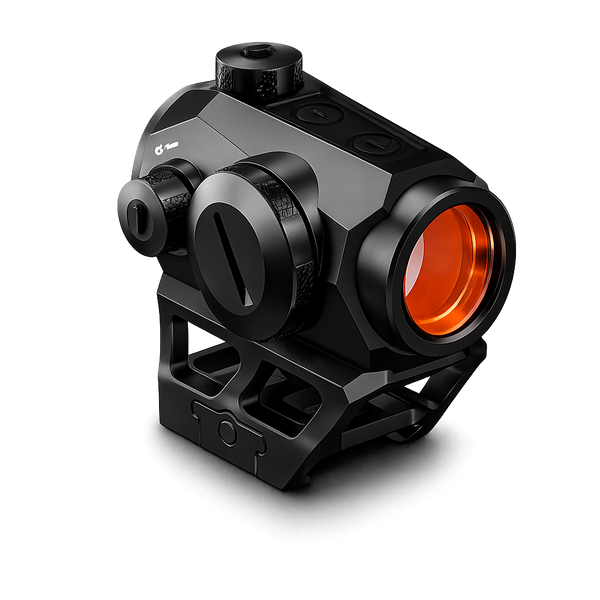
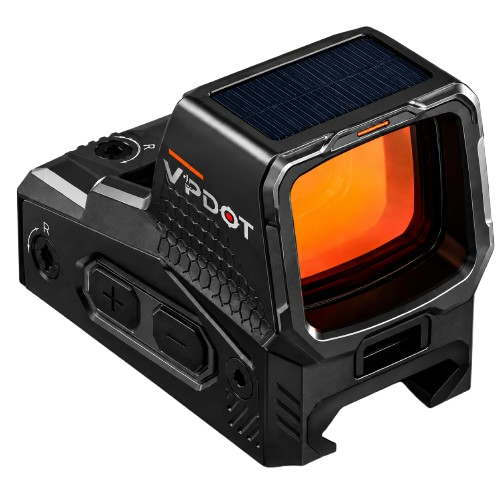
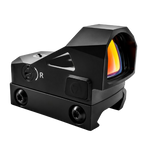
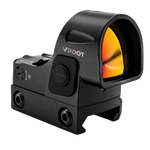
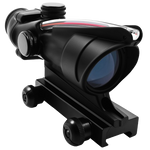
Shake awake motion sensing, 2 MOA precision dot and a low profile designed not to snag during the draw. 50,000 hours of battery life keeps this optic ready without daily thought.
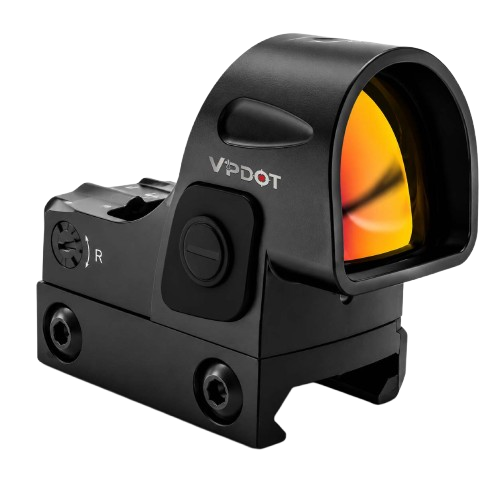
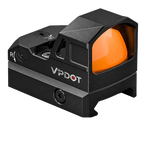
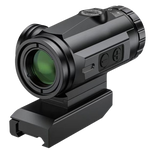
Shop the KF-22 →Direct RMR footprint mounting with an adjustable sleep timer and side-mounted buttons for one-handed brightness control. IP67 waterproof and built with a snag-free profile for clean holster draws.
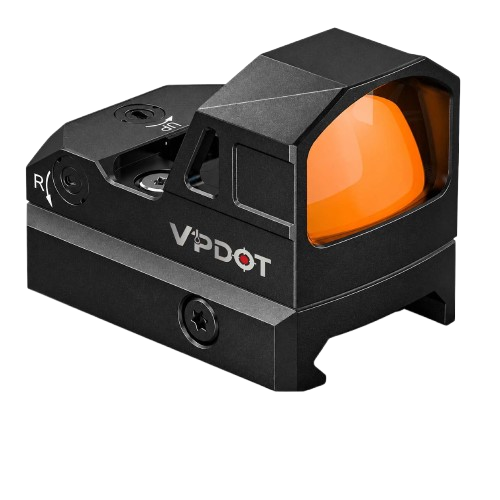
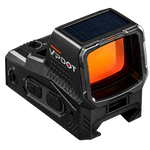
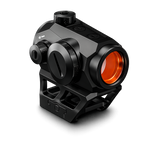
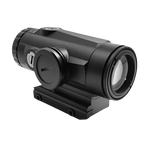
Shop the D407X →Top-loading battery compartment means you never remove the optic or lose your zero for a battery swap. RMR footprint with an included picatinny mount, 2000G shockproof and IPX7 waterproof.
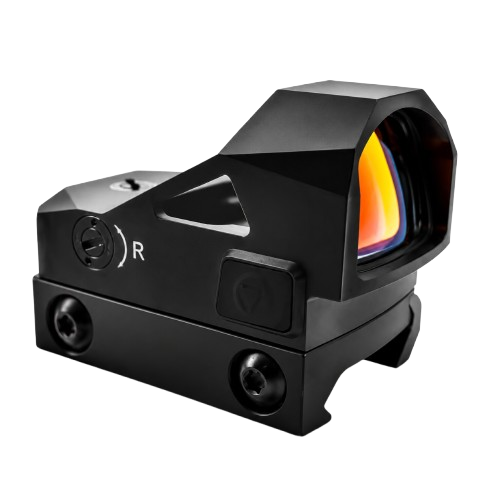
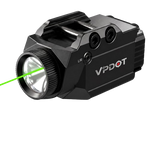
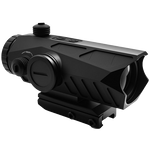
Shop the D300X →Native RMS and RMSC footprint built for popular micro-compact carry pistols. Solar dual power failsafe means the dot stays active even if the battery runs low, on top of shake awake motion sensing.
Shop the D507X →Closing the Training Gap
Mounting the right optic is half the equation. The other half is training the transition from concealment to a confirmed sight picture on the dot, and that training does not require a single trip to the range.
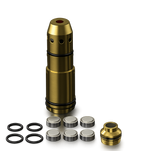
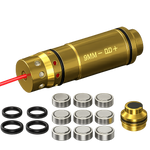
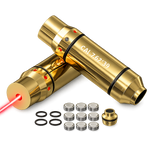
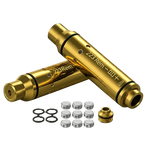
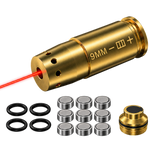
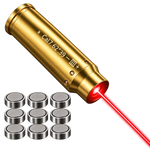
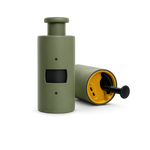
A laser training cartridge matched to your caliber lets you draw from your actual holster, present the pistol and confirm the dot on target using instant laser feedback on a home target. Every rep builds the exact draw-to-dot presentation that static range practice never addresses.
This is not optional supplementary training. It is the step that actually closes the gap between owning a red dot and being genuinely carry-ready with one.
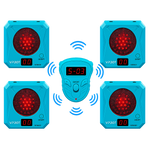
Drops into your carry pistol chamber exactly like a live round. Run draw-to-dot presentation reps from concealment with instant laser feedback on any VPDOT electronic target, at zero ammo cost per rep.
Shop Laser Training Cartridges →Frequently Asked Questions
Most shooters see a real improvement within two to three weeks of consistent dry fire practice, running the draw and dot confirmation daily. The timeline varies, but the key factor is repetition, not raw time elapsed.
Yes, if your slide and optic allow for co-witnessing. A backup sighting system costs nothing in most cases and gives you a fallback if the dot ever fails or the battery dies unexpectedly.
A yearly battery change regardless of the manufacturer's runtime claim is a reasonable habit for any carry optic. It costs very little and removes any uncertainty about remaining battery life on a firearm you depend on daily.
Mount It. Then Train the Draw.
A great red dot is only half the equation. Pair your optic with a laser training cartridge to build the draw-to-dot presentation that actually makes you carry-ready.
Train smarter. React faster. Be ready.