
Best Red Dot Sight for Shotgun: What to Check Before You Buy
Best Red Dot Sight for Shotgun: What to Check Before You Buy
Derek served as a Marine Corps rifleman before transitioning to gunsmithing, where he specializes in optics mounting and zeroing for AR-15 platforms. He has mounted and zeroed hundreds of red dot sights across duty, competition and personal rifles.
A red dot sight for shotgun use has to survive a very different kind of abuse than a pistol or rifle optic. Shotgun recoil is heavier and comes in a different rhythm, and most shotguns were never designed with an optic rail in mind. Before you buy a shotgun red dot sight, there are a few specific things worth checking so you do not end up with an optic that loses zero after the first box of shells.
Why Shotgun Optics Are a Different Category
A shotgun sight has to handle a heavier, sharper recoil impulse than most pistol or rifle red dots are tested against. Buckshot and slug loads in particular generate significant recoil energy compared to a standard 5.56 rifle round, and that recoil hits the optic on every single shot, not just occasionally.
The other major difference is mounting. Many shotguns do not ship with a rail at all, and aftermarket rail options vary widely in fit and rigidity. A shotgun red dot sight is only as reliable as the mount holding it in place, a shockproof optic on a loose or flexing rail will still walk off zero.
What to Check Before You Buy
Look for at least 1200G, and ideally 2000G if the shotgun sees heavy use with buckshot or slug loads. A rifle-rated optic is not automatically shotgun-rated, check the specific G-force rating rather than assuming.
A standard picatinny mount bolted to a rigid receiver rail is far more reliable than a saddle mount clamped over the barrel, which can flex under recoil. Confirm your shotgun's rail setup before choosing an optic.
Shotgun use, especially for clays or home defense, tends to favor a wider viewing window over an ultra-compact profile. Concealment is rarely a priority for a shotgun sight, so a slightly larger reflex sight window is usually the better tradeoff.
Shotguns see heavy field and hunting use in wet conditions more often than most pistols. An IPX7 waterproof rating is a reasonable minimum for a shotgun optic that will actually see outdoor use.
VPDOT Red Dot Sights Built to Handle Shotgun Recoil
As we covered in our best red dot sight for AR-15 guide, shockproof rating and mount rigidity matter more than most other specs combined. The same logic applies directly to shotgun optics, just with a higher bar for both.
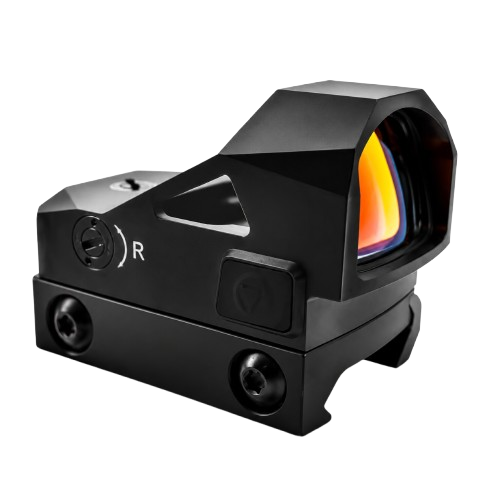
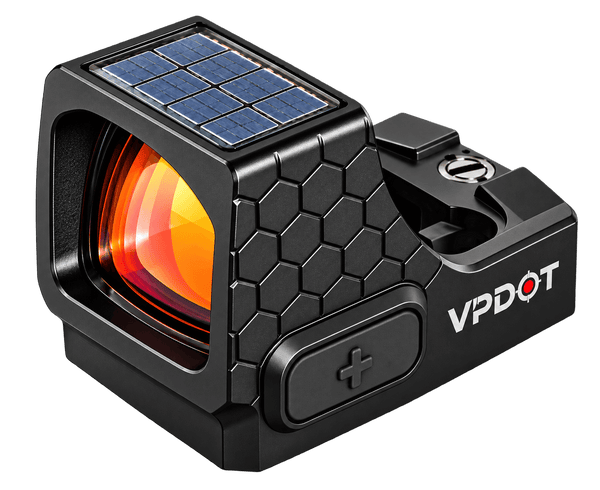
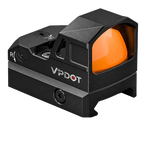
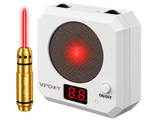
Shake awake motion sensing wakes the dot instantly on movement, with 10 brightness settings including 2 night-vision compatible. IPX7 waterproof and built for standard 20mm picatinny mounting.
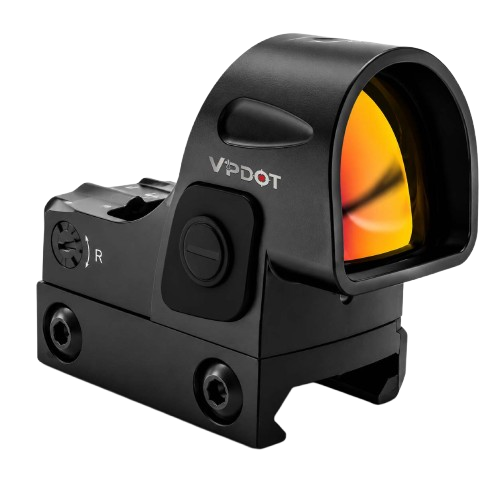
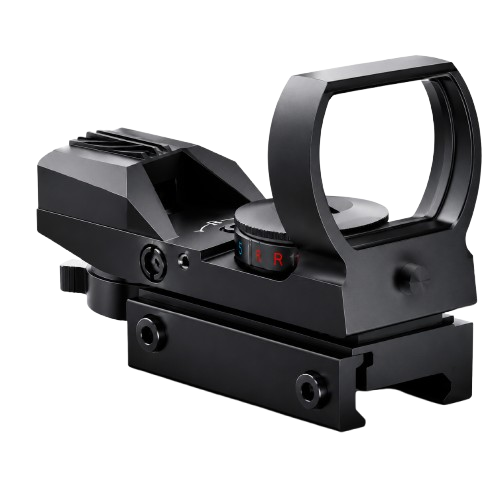
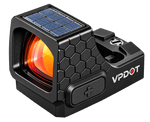
Shop the D202X →Four reticle patterns in red or green illumination, useful for shotgun users who want to try a dot, a circle or a combined reticle for different shooting styles like clays or home defense.
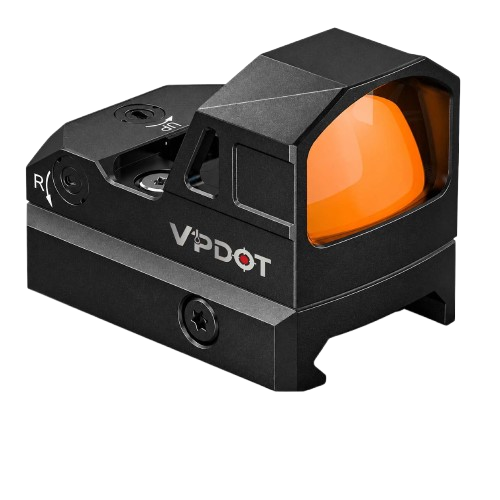
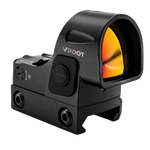
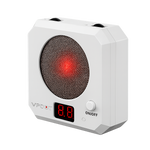
Shop the D200X →2000G shockproof rating and a top-loading battery compartment that never requires removing the optic. Ships with both an RMR footprint and a picatinny mount, useful if you also run a pistol or AR-15 with the same optic style.
Shop the D300X →Frequently Asked Questions
Yes, as long as the shockproof rating matches or exceeds what shotgun recoil demands, generally 1200G or higher. Many rifle optics are already rated for shotgun use, but always confirm the specific rating rather than assuming.
Rarely. Shotgun use, whether clays, hunting or home defense, is almost always close to mid-range work where an unmagnified red dot is the faster, more practical choice.
A properly shockproof-rated optic on a rigid receiver mount should hold zero through slug loads without issue. The mount rigidity matters as much as the optic's own shock rating here.
Built to Handle Real Shotgun Recoil
Shockproof, waterproof red dot sights with picatinny and RMR mounting options, ready for shotgun, rifle or pistol platforms.
Mount it. Zero it. Trust VPDOT.