

Enclosed vs Open Emitter Red Dot: Which One Should You Carry
Enclosed vs Open Emitter Red Dot: Which One Should You Carry
Marcus has competed in USPSA and IDPA for over a decade and has trained hundreds of concealed carriers through structured dry fire programs. He runs weekly dry fire clinics and writes about practical training methods that work without a range.
Enclosed emitter designs have picked up real momentum in the optics market, and the pitch sounds appealing on paper, better protection from the elements. But an enclosed housing is not automatically the right choice for every carrier. By the end of this guide you will know exactly what the tradeoff actually is, and whether it matters for how you carry.
What the Difference Actually Is
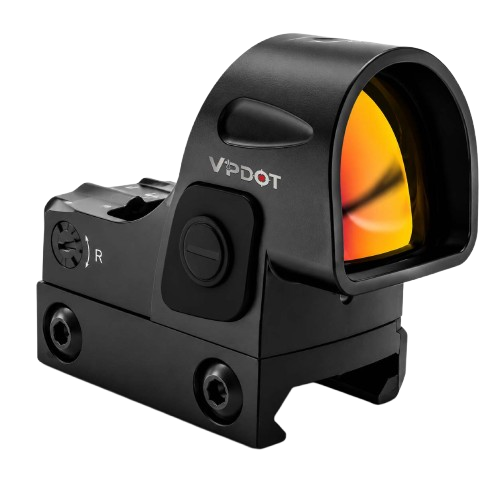
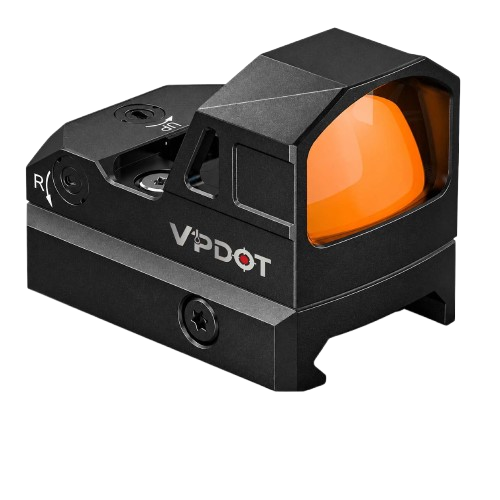
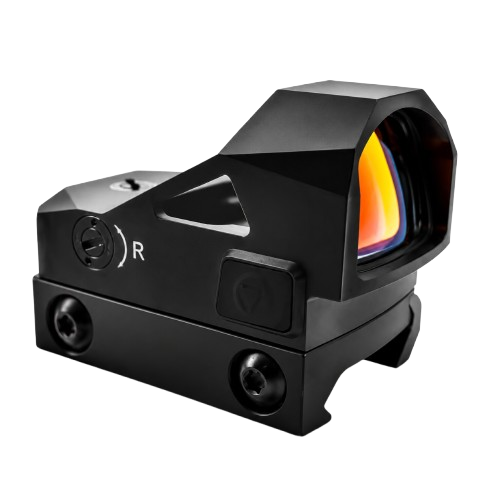
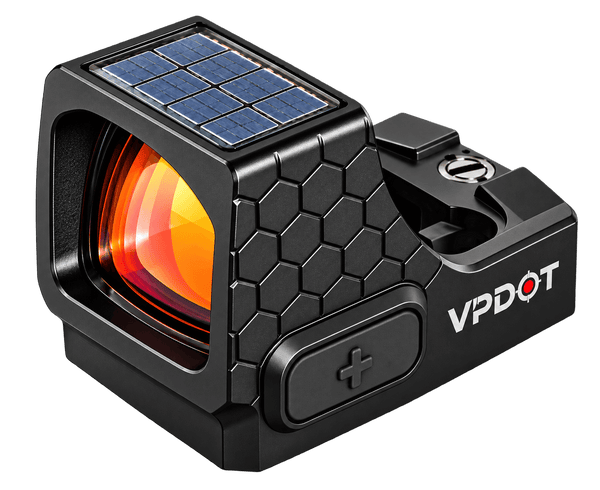
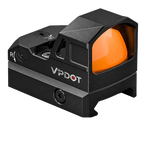
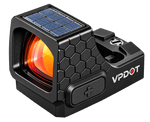
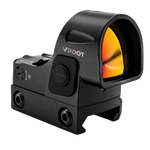
An open emitter red dot has its LED emitter exposed on one side, with light bouncing off a single lens to create the dot you see. This is the traditional, most common design and the one found across the vast majority of compact and micro red dot sights on the market, including every VPDOT pistol optic.
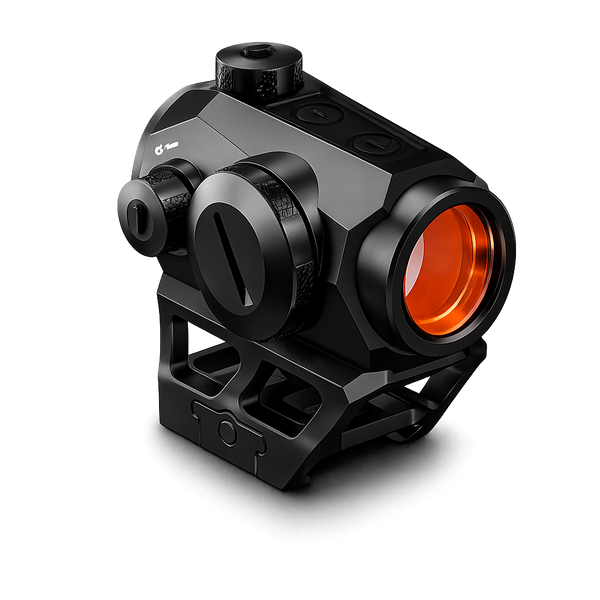
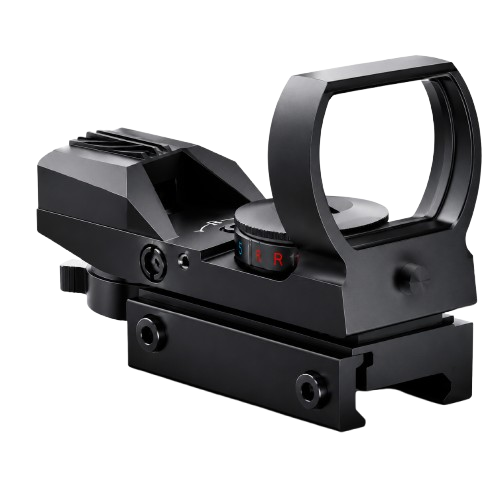
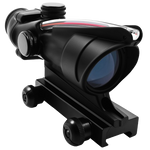
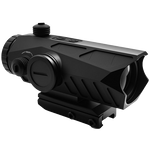
An enclosed emitter design fully surrounds the emitter and lens system inside a sealed housing, similar to how a rifle-sized reflex sight is built. The idea is straightforward protection, nothing can physically get between the emitter and the lens to block or obscure the dot.
Why This Actually Matters for Carry
The concern with open emitter designs is debris, mud, snow or heavy condensation getting between the emitter and the lens and blocking the dot entirely. For a duty or defensive firearm, an optic that can go dark at the wrong moment is a legitimate concern worth taking seriously.
In practice, this scenario is genuinely rare for the average concealed carrier. A pistol riding in a quality holster, on a body, indoors most of the day, is not typically exposed to the kind of mud or snow packing that causes real problems for open emitter optics. This is a much bigger consideration for someone working outdoors in harsh weather daily than for typical everyday carry.
Side by Side
| Factor | Open Emitter | Enclosed Emitter |
|---|---|---|
| Size and weight | Smaller, lighter | Bulkier, heavier |
| Price point | Generally more affordable | Generally higher cost |
| Debris protection | Exposed emitter and lens | Fully sealed housing |
| Best for | Everyday carry, typical conditions | Harsh outdoor work environments |
Where VPDOT Fits
Every VPDOT pistol optic, including the D407X, D300X, D301X and D507X, uses an open emitter design. This is a deliberate tradeoff toward smaller size, lighter weight and a more accessible price point, built for the everyday carrier whose realistic conditions rarely justify the bulk and cost of an enclosed housing.
Every model is still IPX7 waterproof and shock-tested well beyond typical carry demands, which covers the vast majority of real-world conditions a concealed carrier will actually encounter. If your specific situation genuinely calls for an enclosed design due to harsh occupational exposure, that is a legitimate reason to look elsewhere, and we would rather tell you that directly than oversell a product for a use case it is not built for.
Frequently Asked Questions
No. Open emitter designs are the industry standard for a reason and perform reliably for the overwhelming majority of carry and range use. The debris concern is real but statistically rare for typical everyday carry conditions.
Generally yes, the sealed housing and additional internal components typically push enclosed emitter optics into a higher price bracket compared to a similarly specced open emitter model.
Open emitter optics are generally smaller and lower profile, which usually means a wider range of compatible holsters without needing an optic-specific cut designed for a bulkier housing.
Built Right for Everyday Carry
Compact, IPX7 waterproof, shock-tested optics designed for how most people actually carry every day.
Train smarter. React faster. Be ready.