





Why Reflex Sights Look Glary at Certain Angles
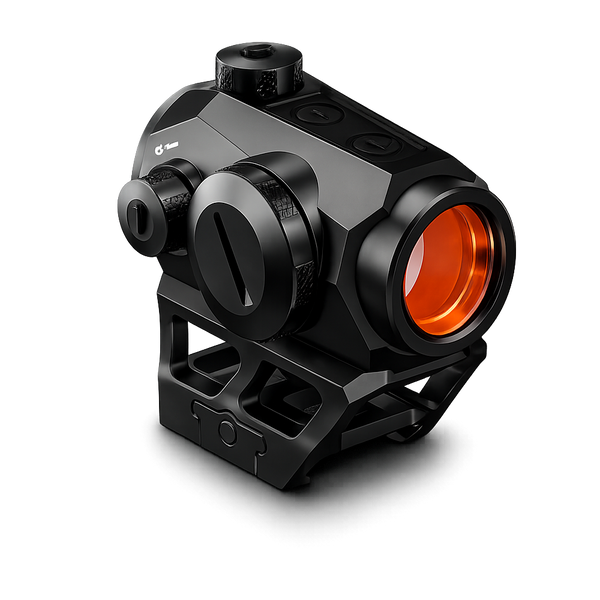
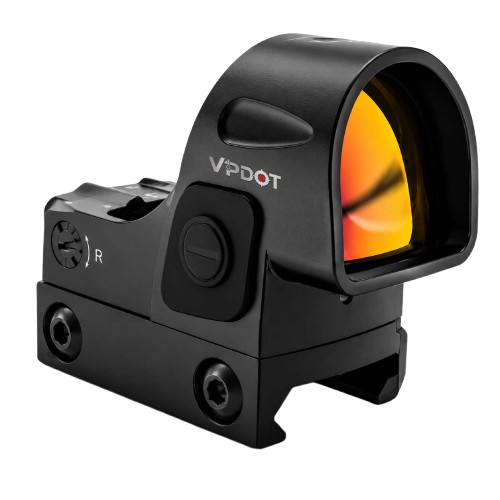
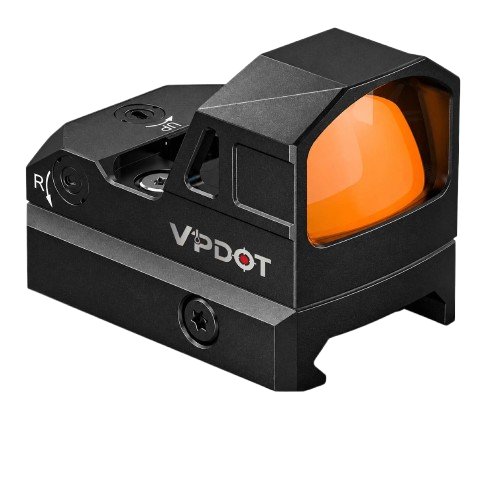
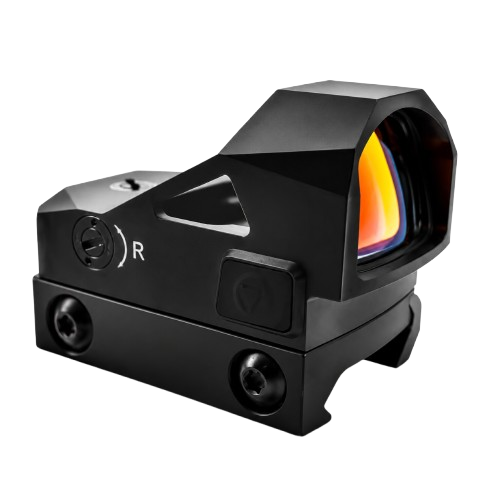
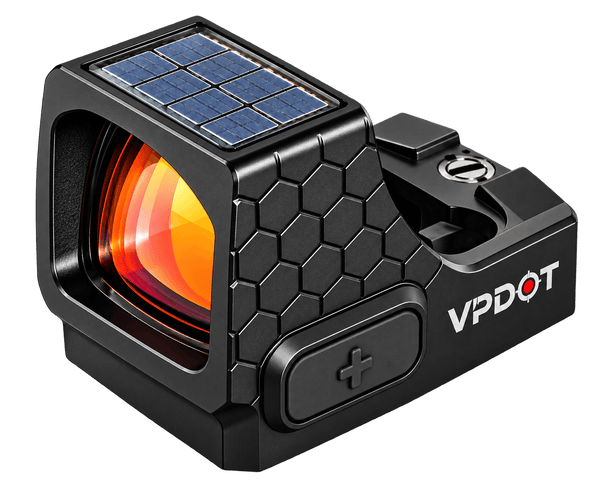
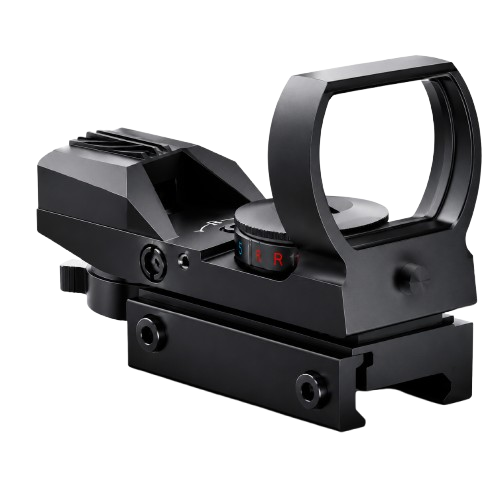
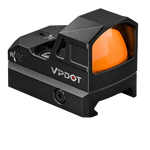
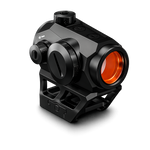
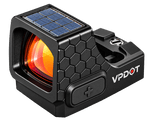
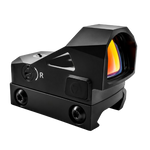
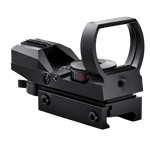
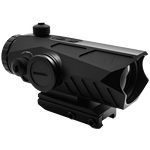
Reflex sights can look glary at certain angles because their lens uses reflective coatings to send the reticle back to your eye. That same reflective design can also make stray light bounce in ways that look like glare, especially when the sight is viewed from an angle instead of straight on.
What causes the glare
The reflective coating on the objective lens is part of how a reflex sight works. In normal viewing, it helps present the reticle clearly. At some off-center angles, though, the lens can catch surrounding light and reflect it back in a way that appears bright or washed out. This is not unusual for reflective or reflex optics.
Why it stands out indoors and in low light
Glare tends to be more noticeable when the lighting is uneven. Indoors, overhead lights and backlighting can strike the lens from directions that make reflections more obvious. In low light, the eye is more sensitive to brightness differences, so even a small reflection can seem more pronounced. A sight may therefore look fine in one room and suddenly appear glary in another.
Why hand-held viewing can make it seem worse
The effect is often exaggerated when the optic is held in the hand rather than mounted. In that situation, you can pan the sight through angles you would not normally see during use. That wider range of viewing angles makes it easier to find the specific positions where reflections show up.
A simple example
Imagine a reflex sight sitting under a bright ceiling light in a hallway. If you look through it straight on, the reticle may appear normal. If you tilt the sight slightly or shift to the side, the lens may catch the light differently and the glass can look brighter or hazier. The sight has not changed; the angle and lighting have.
Takeaway for new readers
If a reflex sight looks glary, the most common reason is the combination of reflective lens coatings, angle, and lighting conditions. The effect is often most visible indoors, in low light, or when the optic is viewed off-axis. For a first-time reader, the key point is simple: the glare usually comes from how the sight interacts with its environment, not from a single fixed defect in the concept of reflex optics.